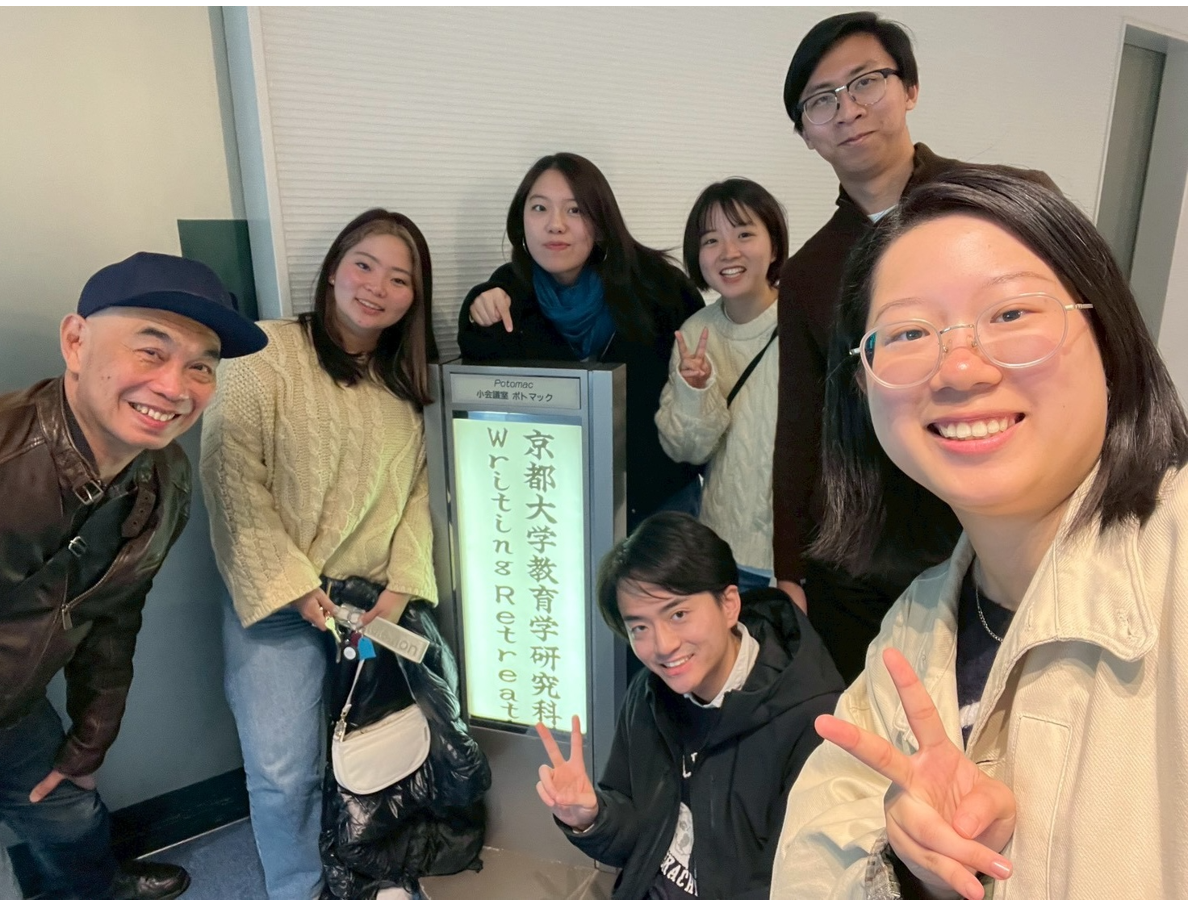
グローバル教育展開オフィスでは、「英語論文執筆リトリート」を実施いたしました。
3日間の詳細について、ファシリテーターのエマニュエル・マナロ教授によるご報告と、参加者の大学院学生計6名の感想をご覧ください。
Facilitator, Professor Emmanuel Manalo
We conducted the three-day writing retreat at the Keihanna Plaza Hotel in Seika (which is
28 kms from Kyoto) on November 21-23. Similar to the previous two years (2023 and
2024), six students took part in the retreat: three at the Doctoral level and three at the
Masters level. All of the six students who participated were writing a research study in
English or were revising a research paper for resubmission to an international journal.
The purpose of this writing retreat was similar to previous years: to provide participating
students with dedicated time and space so that they could set aside their daily
responsibilities to focus only on writing up research in English. A supportive environment
was provided for them so that they could make significant, tangible progress. Providing
that supportive environment is important as our emotions affect our concentration, writing
motivation, and productivity. We employed principles of group dynamics to facilitate the
cohesion and supportive atmosphere among the students (and me as facilitator, and
participant – as I also engaged in writing) during the three days.
This writing retreat was structured (in contrast to other writing retreats, which can be
unstructured). As one student was not well-known to the other students, we had a round of
brief self-introductions as the beginning before launching into the sessions of serious
writing.
We structured the days into three writing blocks: morning (3 hours), early afternoon (2
hours), and late afternoon (3 hours), with short breaks in between. At the start of each
block, we quickly planned and declared specific goals for what we will aim to achieve. At
the end of each day, we reported and discussed our progress and any problems we
encountered. During the writing blocks, participants could take short breaks if they wished.
We worked together in the same big room, and participants could ask questions or seek
advice from each other or from me at any stage.
I am again very pleased to report that everyone made significant progress in writing during
this retreat. I am expecting that the three Doctoral students and one of the Masters
students would be able to complete and submit their papers to a journal in the next month
or two. The two remaining Masters students would also probably be able to complete the
papers they were writing within the next few months, but they would need to seek advice
from their research supervisors about publishing those.
Written feedback from the six students who participated in the writing retreat is provided
below.
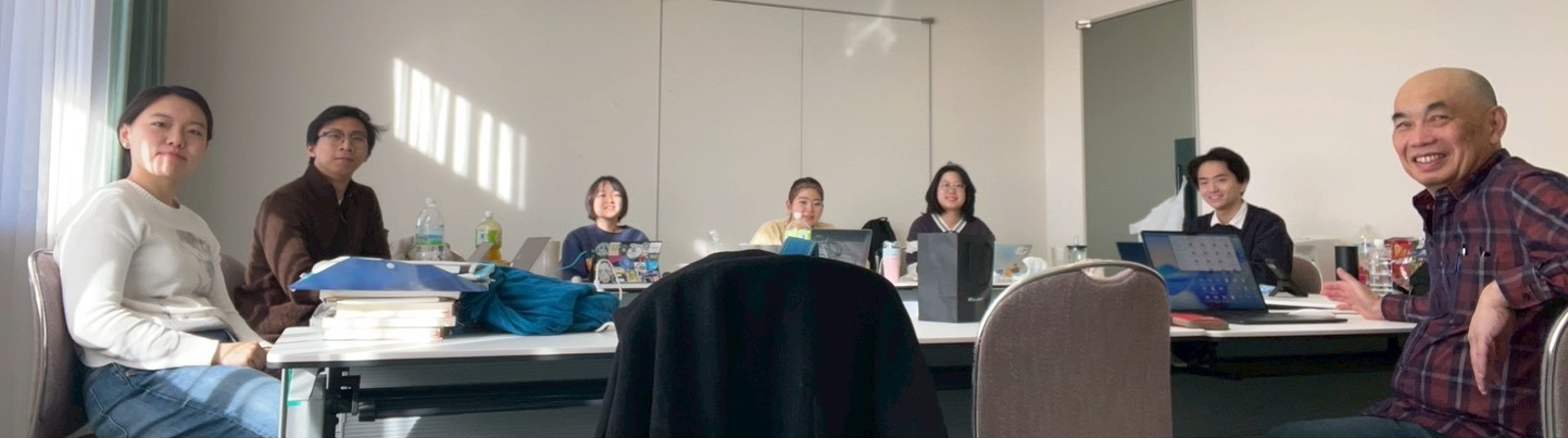
Participants
Hirohito Okano (D2)
Thank you very much for allowing me to participate in the Writing Retreat.
This year, I used the retreat to work on a data analysis task that I had long neglected
(because it required a great deal of time) I needed to complete for writing the revision of
one of my manuscripts. I was finally able to concentrate on it during these days thanks to
the retreat!
I hope to soon complete the paper I am writing this year.
Yu-Jr Lan (D1)
This was my second time joining the writing retreat, and it was once again a very fruitful
experience that helped me make significant progress on my paper. The structured
sessions allowed me to maintain a high level of concentration throughout the 3 days.
Professor Manalo was always available to provide immediate guidance whenever we felt
stuck, which was extremely helpful. I made substantial progress in revising my paper, and
working alongside other participants was both inspiring and motivating. I truly appreciated
this opportunity.
Haruka Murakami (D1)
This was my third time participating in the writing retreat, and once again it turned out to be
the most productive three days of the year. Although the retreat may appear similar each
time, it is never the same. The members change slightly every year, creating a fresh
atmosphere that continually enhances both productivity and motivation. I truly appreciate
having this opportunity, and I would be delighted to join again if there is another retreat.
Si Thu Khant (M1)
Overall, attending the Writing Retreat was a very productive experience. As the structure
of the writing retreat gave me a lot of uninterrupted, focused time, I was able to do harder,
cognitively demanding work that would have been difficult otherwise. Thanks to this
retreat, I was able to complete an outline of a paper that I intend to publish. I am very
grateful for the opportunity to participate, and hope to be able to do so again in the future.
Ami Nishino (M1)
This was my first time participating in a writing retreat, and by setting both short-term and
long-term goals, I was able to make good progress on my paper. I also found it very
beneficial to present my plan and receive Professor Manalo’s insightful questions and
advice, which helped me refine my goals even further.
I truly enjoyed the writing retreat and would love to join again.
Shuning Yan (M1)
This was my first time joining a writing retreat, and I’m really glad I came. I had a very
productive three days. I wrote much more than usual and had plenty of time to think. I also
met some wonderful people. Besides the writing sessions, we had fun activities and
shared meals together, which I really enjoyed. In terms of writing, I managed to finalize the
structure of my paper, think through the main ideas, and write most of the core sections.
The most important thing I learned from this trip is that once we actually start writing, it’s
much harder than we expect. So instead of trying to finish reading all the papers before
writing, it’s better to start writing while we’re still reading. That way, the ideas begin to flow
as we write.